

Cupping or cupping massage: what to expect?
There are two opinions on cupping. For some, it’s something that leaves circles on your back; for others, it’s an old method used in the past.
And then there is the reality of 2026: cupping (cupping massage) is making a comeback because it addresses exactly what bothers most people today. Does this sound familiar? A stiff back, neck, strain from long hours at the computer, stress, and slow recovery.
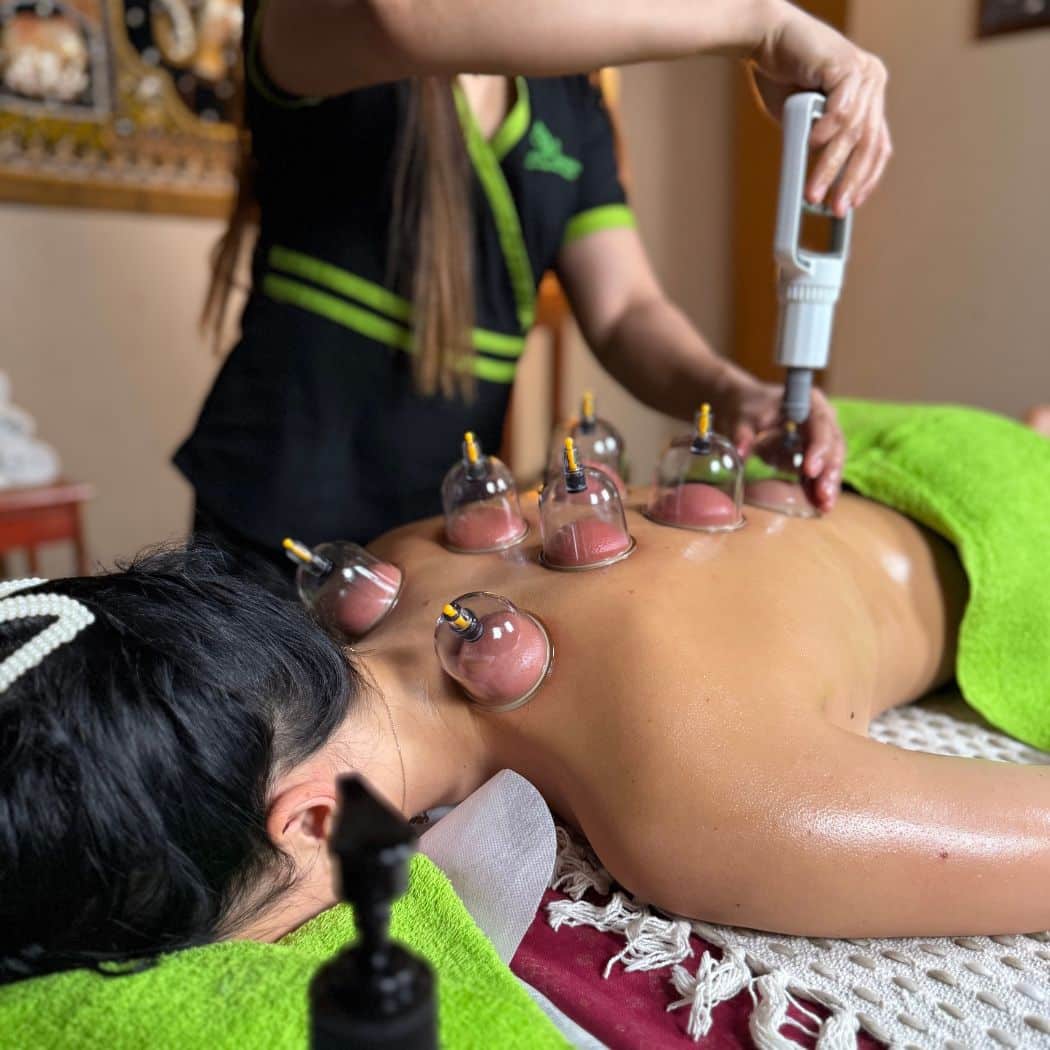
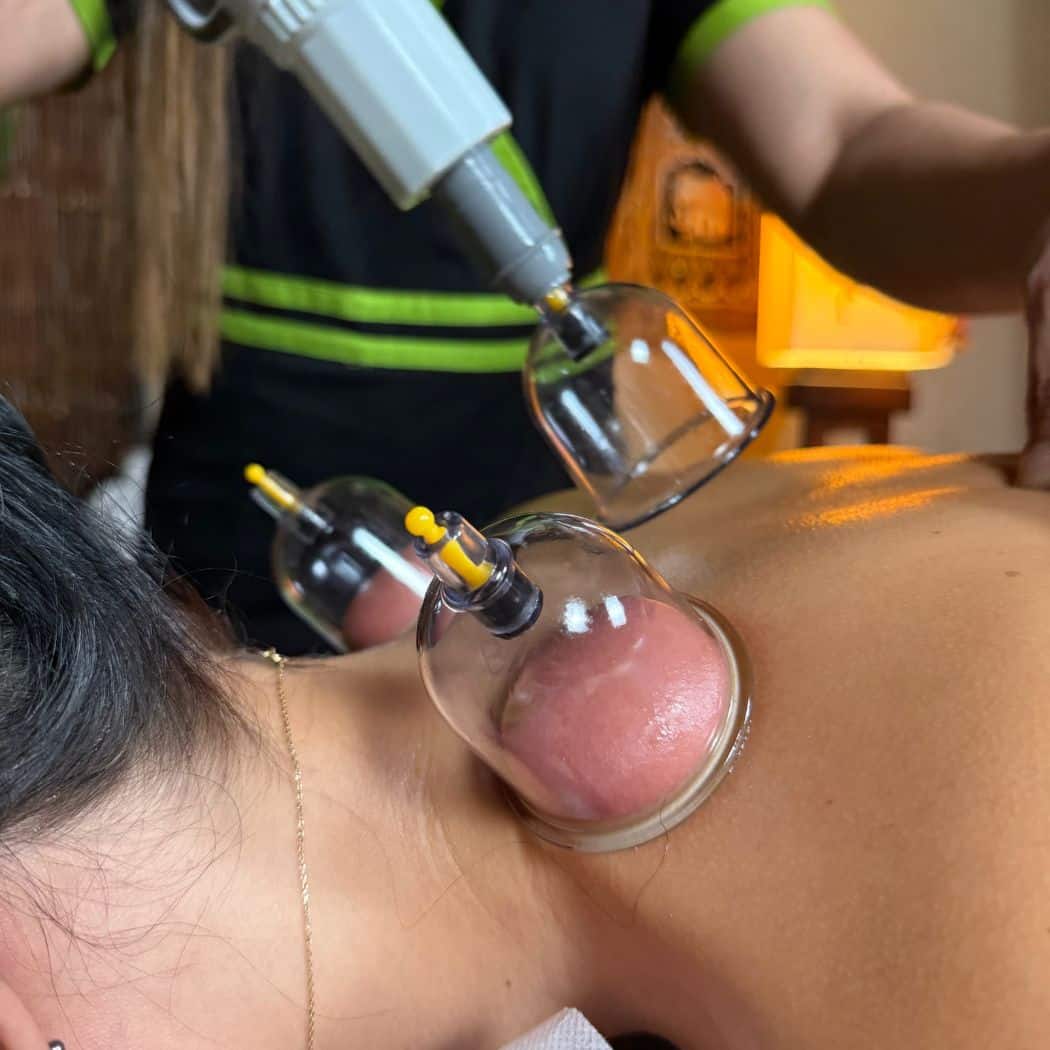
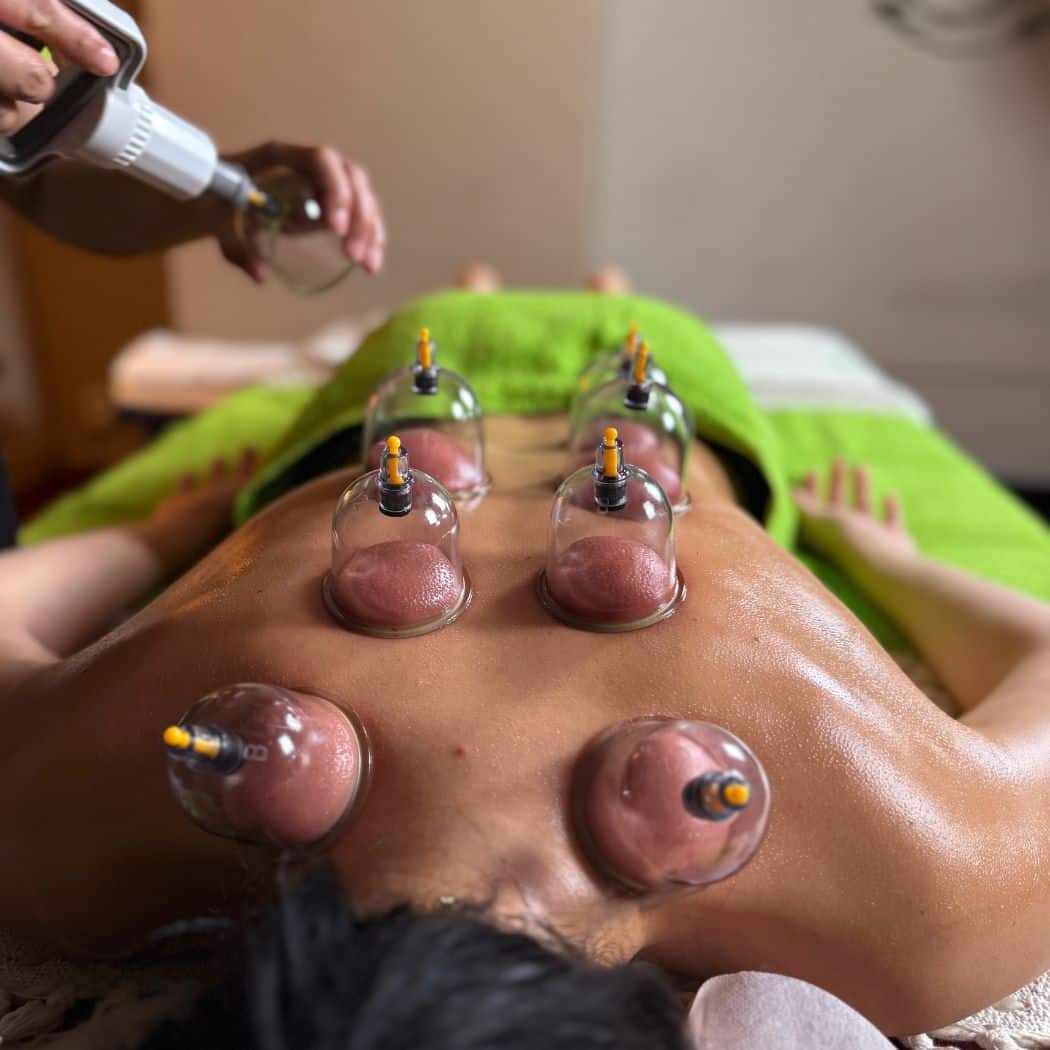
And most importantly, it’s no longer a technique involving an open flame. Modern cupping massage works with controlled suction, usually using a vacuum pump that allows for easy regulation.
Why cupping is trending, and not just on TikTok
The reason is simple: people increasingly feel like something in their body is stuck and are giving it the necessary attention. The most common causes are:
- sitting in one position for a long time,
- our minds are running nonstop: stress, constant notifications, poor quality sleep,
- we exercise, but don’t focus on quality recovery,
and then we wonder why our neck and back are permanently tense.
A classic relaxation massage is pleasant. The trouble is, with long-term strain, you often need something that reaches those stiff spots a bit differently. Back and neck cupping is exactly the type of technique that can trigger change faster, specifically thanks to the suction.
What exactly does cupping massage do differently than a classic massage
To put it simply: a classic massage compresses the tissue, but cupping gently lifts the tissue through the effect of the cups (suction). And that makes a huge difference. For many people, the problem is that they are “stuck together.” Where? Deep down—fascia, muscle layers, and overloaded attachments. Cupping works with blood flow and tissue in a way that can release it even in places that are normally harder to massage.
Back and neck cupping: who will appreciate it most
The most common clients are found in two areas:
Office + stress
You surely know the typical scenario: neck pushed forward, shoulders up almost to the ears, and shoulder blades “locked.”
Neck and upper back cupping often brings quick relief because it increases blood flow and relaxes overloaded areas that are permanently active under stress.
Sports + strain
When you train often and hard, your muscles take a beating. If simple recovery isn’t enough, the body starts to defend itself by stiffening up. Cupping massage is often used as a recovery supplement precisely because it aids blood circulation by working with the fascia.
Bruising after cupping: why it happens and what it means
The bruises left behind by the cups are the biggest topic of discussion. Is it a contraindication or some kind of negative effect? Let’s take a look.
It’s important to know:
- even with fire cupping, these are not burns,
- they aren’t automatically “wrong,”
- they don’t happen because the therapist did something wrong.
It’s a natural tissue reaction to suction and increased blood flow. For some, they are more pronounced; for others, there are almost none.
What to remember? Marks after the application are not a measure of quality. Cupping can work even without them. The goal isn’t to “make circles,” the goal is to relax and regenerate.
What modern fire-free cupping looks like
Many people associate cupping with fire, which is an older method, but nowadays the modern version often makes more sense: the vacuum pump. This allows for precise dosing of suction, safer control of intensity, and better comfort for the client (especially for those with sensitive skin).
When to skip cupping
To be honest, just like any other procedure, cupping isn’t for everyone. Typically, it’s not recommended or requires a consultation if:
- you have blood clotting disorders,
- you have an acute inflammation, fever, or infection,
- you have skin problems at the application site,
- you are dealing with significant varicose veins,
- you are pregnant (especially in the 1st trimester).
This is where a well-chosen salon pays off, as they can assess and inform you about any unsuitability and offer an alternative (e.g., a gentler type of massage).
How to tell if cupping is for you (quick test)
If you check off 2 or more points, there’s a high probability that cupping massage will be right for you:
- my neck is stiff almost all the time,
- my shoulder blade area / upper back hurts from sitting,
- my back feels heavy and it’s not easy to massage out,
- I exercise and regular recovery isn’t enough,
- after a classic massage, I only feel relief for a short while,
- I feel deep tension.
What to do after cupping to make the effect last
The most common mistake after a massage, and especially after cupping, is to go for a workout, a sauna, or maybe have some wine in the evening. All of that is a strain on the body, and after the procedure, it needs rest and space for recovery instead.
After a cupping massage, it’s very important to:
- increase fluid intake
- skip major physical exertion that day
- avoid the sauna or steam room,
- get some sleep, because recovery is half the success.
Why cupping is still relevant after many years
Cupping is an “old” method that, perhaps surprisingly, is still perfect for solving modern-day problems: overloaded necks, backs from office work, stress, and poor recovery. And when done in a modern and controlled way (without fire, using a pump), it’s a technique that can be both effective and comfortable.
FAQ – frequently asked questions
How long do bruises last after cupping?
Bruises after cupping (typical round marks) usually disappear within 3–10 days depending on skin sensitivity, the degree of stiffness, and the intensity of the suction. It’s not a burn—it’s a common tissue reaction to the suction during a cupping massage.
Does cupping help with a stiff neck and traps?
Yes, neck and trap cupping are among the most common reasons people come for a cupping massage. The suction promotes blood flow and the release of overloaded areas that typically arise from stress and sedentary work.
How often should I go for back cupping?
For long-term stiffness, it’s most often recommended once every 7–14 days at the beginning, followed by a maintenance schedule as needed. The frequency depends on whether you are dealing with acute strain or chronic tension (e.g., back cupping in the shoulder blade and lower back area).
Is cupping or deep tissue massage better?
It depends on the problem. Deep tissue massage works primarily through pressure and kneading the muscles, while cupping uses suction and is often better suited for stiff areas in the fascia (e.g., shoulder blades, traps). In practice, these methods are often combined for the best result.
Photo gallery




Massages
Treat yourself to relaxation with our massages, which we have selected for you based on our experience.

Benefits and FKSP
Payment by Benefits and FKSP? Yes, we can! Do not refuse this great opportunity! And enjoy your relaxation.

Gift Cards
Delight your friends, family, colleagues. Give them a gift voucher on high-quality paper in a luxurious envelope.

Branches
We look forward to you! We are here for you every day in any weather. Enjoy pain-free relaxation.